Aritzia’s Social Strategy: How to Turn Average Fabrics Into a High-End Lifestyle
Aritzia has become one of the most recognizable “premium basics” brands in North America. Even though it technically comes from the fast-fashion world, the brand successfully built an identity around “Everyday Luxury”—simple silhouettes, clean visuals, and a lifestyle rooted in minimalism.
But here’s the reality we eventually notice:
The price doesn’t always match the fabric quality.
So how did Aritzia convince an entire generation of young women that its clothing is worth the premium? As a student studying branding and digital marketing, I find Aritzia to be a perfect example of a brand where perception often outweighs product.
The Promise of “Everyday Luxury”
Aritzia’s brand message is clear: quality, durability, elevated basics.
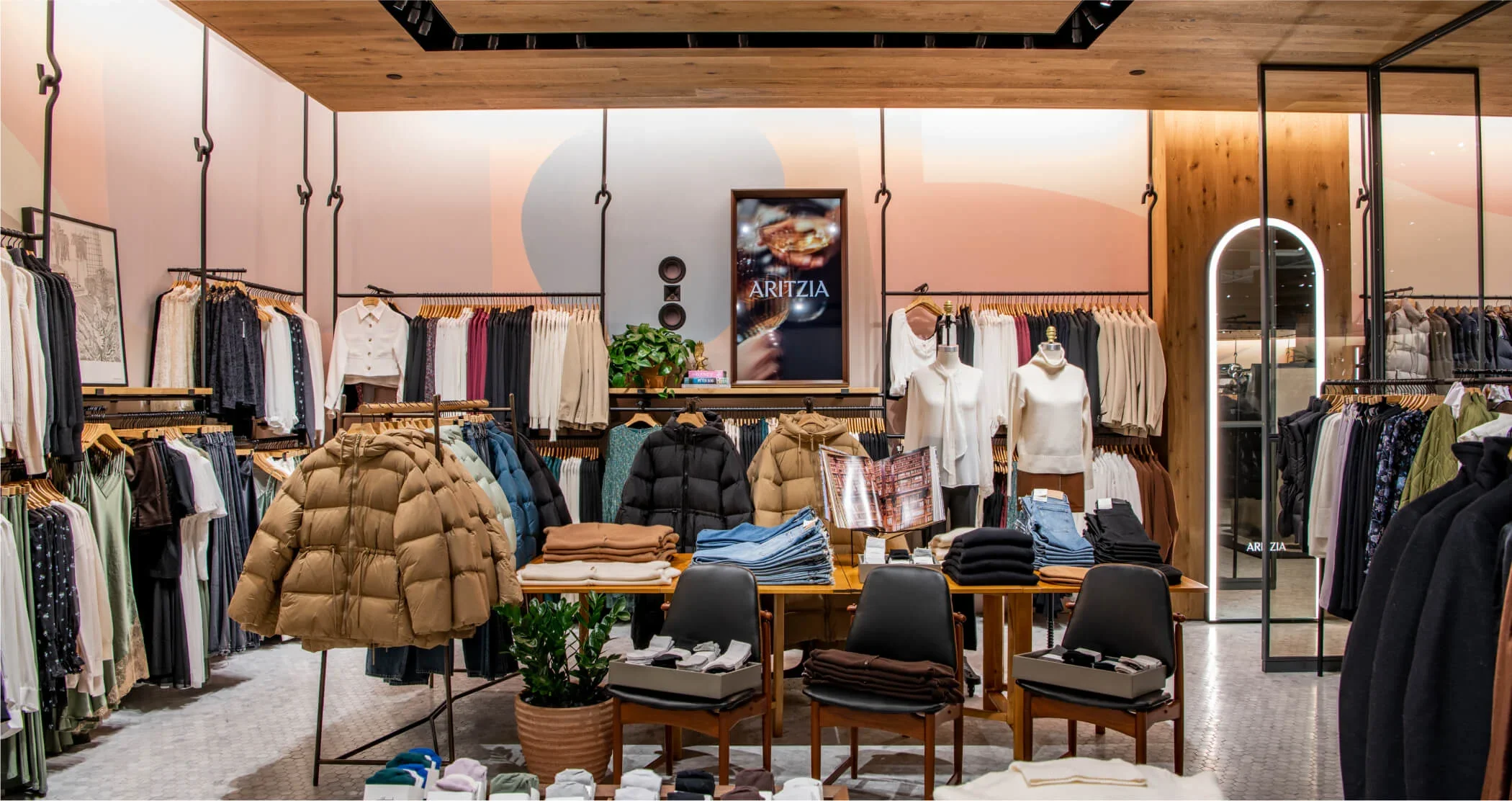
The aesthetics are strong—monochrome stores, refined product photos, and a visual identity that reads more like luxury fashion than fast fashion.
But many of their garments (especially basics, knitwear, and popular pieces) are made from: polyester-heavy blends, synthetic knits, mid-grade fabrics that don’t fully justify the price point.
This creates a contrast: Aritzia feels luxurious, but the materials are often average, and that contrast is exactly where branding steps in.
Aritzia’s Real Strength: Marketing, Not Materials
Aritzia’s strategy is exceptionally smart and extremely consistent across platforms:
Instagram - Lookbooks, street-style photos, studio lighting, neutral palettes.
The brand looks expensive before you even check the fabric tag.
TikTok - Try-ons, “what I ordered vs. what I got,” fit advice videos, color comparisons.
They built a community by letting influencers do the storytelling.
Celebrity seeding - Super Puff jackets on Kendall Jenner instantly positioned the product as luxury-adjacent.
What Aritzia really sells is the feeling of being “put together”.
That emotion and the social currency that comes with looking aesthetic is what customers are paying for.
This is the definition of perceived value, not intrinsic product value.
The Target Audience: Perfectly Matched With the Branding
Aritzia markets to women aged 18–35, but in reality, the audience shares a mindset more than an age range:
they want to look polished
they care about minimalist style
they like “quiet luxury” aesthetics
they’re willing to pay extra for clothing that feels elevated
Even students with limited budgets (like me) often still consider Aritzia because the brand signals something:
you value aesthetic discipline and long-term thinking.
This is where Aritzia’s pricing works psychologically, it becomes a badge of taste and aspiration, not just clothing.
What Aritzia Teaches Us About Modern Branding
Aritzia is one of the clearest examples of how brand storytelling can become more powerful than the product itself.
It proves that:
People buy perception before they buy materials.
Aesthetics can build a premium that fabric alone cannot.
Social media can elevate an average product into a cultural trend.
Consistency is more important than innovation in lifestyle branding.
For me, analyzing Aritzia reinforced a lesson that applies across industries—not only fashion:
Strong branding can create real economic value even when the product is not objectively “luxury.”
The key is how the brand makes people feel, and how you sell your stories.
